Ethernet speeds and cable categories
Ethernet speeds are specified by the IEEE 802.3 Working Group, which currently works on projects for speeds from 200 Gb/s up to 1.6 Tb/s. Cabling categories fall under standards from TIA, such as TIA-942 for data center infrastructure. Hardware vendors like Ubiquiti build equipment to these standards, and power over Ethernet is addressed by IEEE Std 802.3bt.
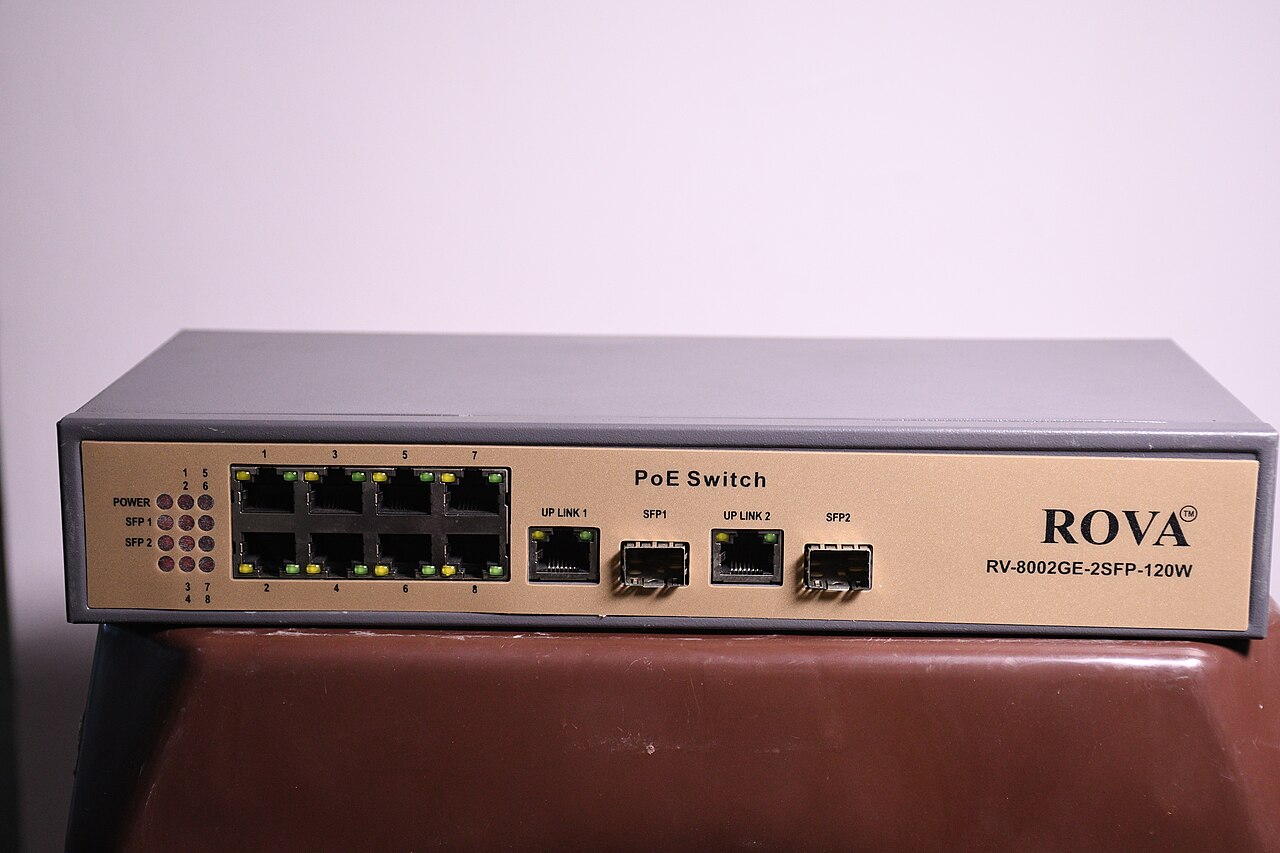

Ethernet speed standards from IEEE 802.3
The IEEE 802.3 Working Group develops standards for Ethernet networks. Its active projects include a task force for high-speed Ethernet, covering rates from 200 Gb/s through 1.6 Tb/s.
One active project focuses on 200 Gb/s per wavelength for multi-mode fiber PHYs, while another addresses 400 Gb/s per lane signaling. These efforts show the ongoing evolution of Ethernet toward faster speeds.
When checking a spec for a network device, look for the IEEE 802.3 project number that corresponds to the supported speed.
Cabling standards from TIA
Cabling for Ethernet networks is covered by standards from the Telecommunications Industry Association. TIA develops standards that ensure quality, security, interoperability, and reliability across infrastructure.
TIA's TIA-942 standard addresses data center infrastructure, and the organization is also working on a draft quality management standard called DCE 9000. These efforts help ensure that cabling and network components meet consistent criteria.
When selecting cable for a homelab, checking that products comply with TIA standards helps ensure they match the intended speed and reliability requirements.
The role of the Ethernet Alliance
The Ethernet Alliance is a global consortium dedicated to the advancement of Ethernet technologies. It provides a publicly available roadmap that charts the evolution of Ethernet and helps ease the transition from standards to adoption.
The alliance also runs a Power over Ethernet certification program that verifies interoperability of PoE products. This program supports the deployment of standards-compliant devices.
Hardware and power over Ethernet
Networking hardware vendors design their equipment to meet the relevant Ethernet and cabling standards. For example, the Ubiquiti UniFi page describes its line as engineered with attention to detail and built to perform, and its products are commonly used in homelab setups.
Power over Ethernet is another aspect of cabling. The IEEE P802.3bt task force completed work on DTE Power via MDI over 4-Pair, which defines how power can be delivered over all four pairs of a twisted-pair cable.
Checking the specifications of switches, cables, and powered devices against these standards helps ensure a network performs as intended.
| Project | Speed | Focus |
|---|---|---|
| P802.3dj | 200 Gb/s, 400 Gb/s, 800 Gb/s, 1.6 Tb/s | General Ethernet |
| P802.3ds | 200 Gb/s per wavelength | Multi-mode fiber PHYs |
| P802.3dv | 400 Gb/s per lane | Signaling |
Frequently asked questions
Which standard body defines Ethernet speeds?
The IEEE 802.3 Working Group develops standards for Ethernet networks, including speed targets.
What speeds are targeted by the IEEE P802.3dj project?
The project aims at 200 Gb/s, 400 Gb/s, 800 Gb/s, and 1.6 Tb/s.
How does TIA relate to cabling?
TIA develops standards for data center infrastructure and cabling, such as TIA-942.
What is IEEE Std 802.3bt about?
It defines DTE Power via MDI over 4-Pair, standardizing power delivery over Ethernet cabling.