Power supply efficiency ratings: 80 PLUS explained
The 80 PLUS program certifies internal power supplies based on efficiency at defined loads. It offers ratings from Standard to Ruby, each with increasing efficiency. Knowing the rating helps buyers select a PSU that matches system power needs and saves energy.
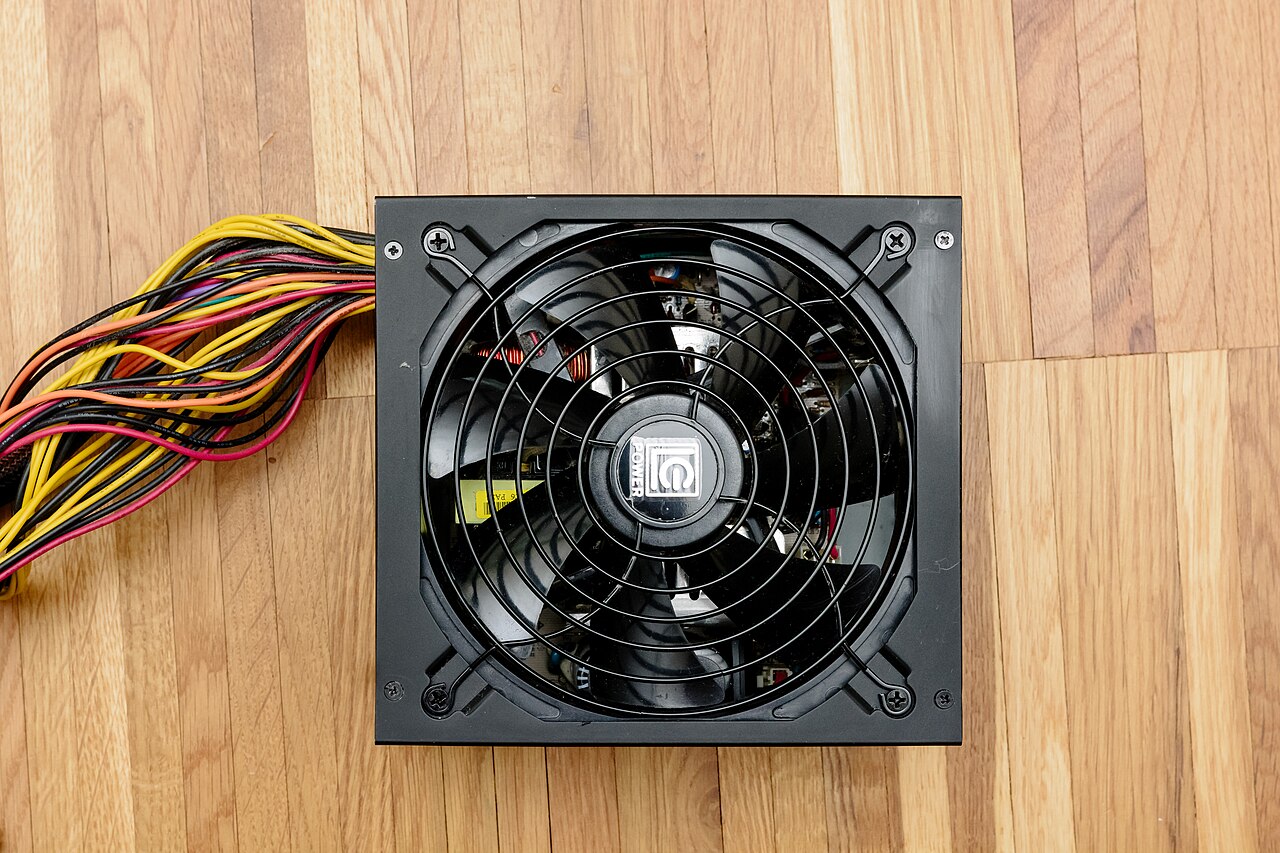

What is 80 PLUS certification?
The 80 PLUS program is a performance specification and certification for internal power supplies (PSUs) run by CLEAResult, offering up to seven levels of certification at increasing energy efficiency. The standards are recognized by ENERGY STAR, the European Union ErP program, and the United Nations Environment Programme for being significantly more efficient than standard PSUs, as stated on the CLEAResult page. CLEAResult's 80 PLUS page
The certification is voluntary, but many manufacturers choose to certify their PSUs to demonstrate premium quality and energy performance. The program covers internal PSUs for desktop, workstation, server, and data center applications.
The efficiency rating levels
The 80 PLUS ratings range from Standard to Ruby, with each level requiring higher efficiency. The CLEAResult listing indicates the applications for each rating: Standard covers desktop, workstation, and non-redundant server; Bronze adds redundant data center; Silver and above also include industrial applications.
Higher ratings such as Platinum and Titanium are intended for systems that demand maximum efficiency, while Standard and Bronze are common for typical builds. The exact efficiency percentages for each level are not listed on the overview page, but the progression indicates increasing performance.
Why efficiency ratings matter
ENERGY STAR certified computers are third-party verified to consume roughly a third less energy than typical units, thanks to efficient parts and improved idle power management, as described on the ENERGY STAR computer page. ENERGY STAR's computer page A PSU with a high 80 PLUS rating contributes to this reduction by minimizing losses during power conversion.
Uninterruptible power supplies also benefit from efficiency. ENERGY STAR notes that certified UPS models can reduce energy waste by up to 52% compared to conventional units by minimizing inverter and transformer losses, offering modular designs, and providing eco-mode, as described on the ENERGY STAR uninterruptible power supplies page. ENERGY STAR uninterruptible power supplies page While UPSs are external, similar principles apply to internal PSU designs.
Applying 80 PLUS ratings when building a system
When choosing a PSU, consider the system's peak power draw, which depends on the processor and graphics card. Modern components offer efficiency features: for example, AMD Ryzen processors include Eco-Mode and low-power models to reduce consumption, as described on the AMD Ryzen page. AMD Ryzen page
Compute capability defines the hardware features and supported instructions for each NVIDIA GPU architecture, as noted on the NVIDIA CUDA GPU page. Understanding a GPU's compute capability helps gauge its performance expectations, which in turn informs the appropriate 80 PLUS rating for a stable build.
| Rating | Applications |
|---|---|
| Standard | Desktop, workstation, non-redundant server (115V and 230V EU) |
| Bronze | Desktop, workstation, non-redundant server; redundant data center (230V, 277V, 480V, 380V DC) |
| Silver | Desktop, workstation, non-redundant server; redundant data center; industrial (115V) |
| Gold | Same as Silver |
| Platinum | Same as Silver |
| Titanium | Same as Silver |
| Ruby | Same as Silver |
Frequently asked questions
What does 80 PLUS mean?
It is a certification program for internal power supplies that sets efficiency levels, run by CLEAResult.
What are the efficiency ratings?
The ratings are Standard, Bronze, Silver, Gold, Platinum, Titanium, and Ruby, with each level requiring higher efficiency.
How to check if a PSU is 80 PLUS certified?
Look for the 80 PLUS logo on the product and verify the model in the official database on the CLEAResult website.
Is a higher rating always necessary?
Not always, but higher ratings are more efficient and can save energy and money. Consider the system's typical load and energy costs.