Headset connections: analog, USB and Bluetooth
Headsets use analog, USB or Bluetooth connections, each with different strengths. Analog relies on the host's sound hardware, USB adds a built-in DAC, and Bluetooth uses wireless radios with Classic and LE variants.
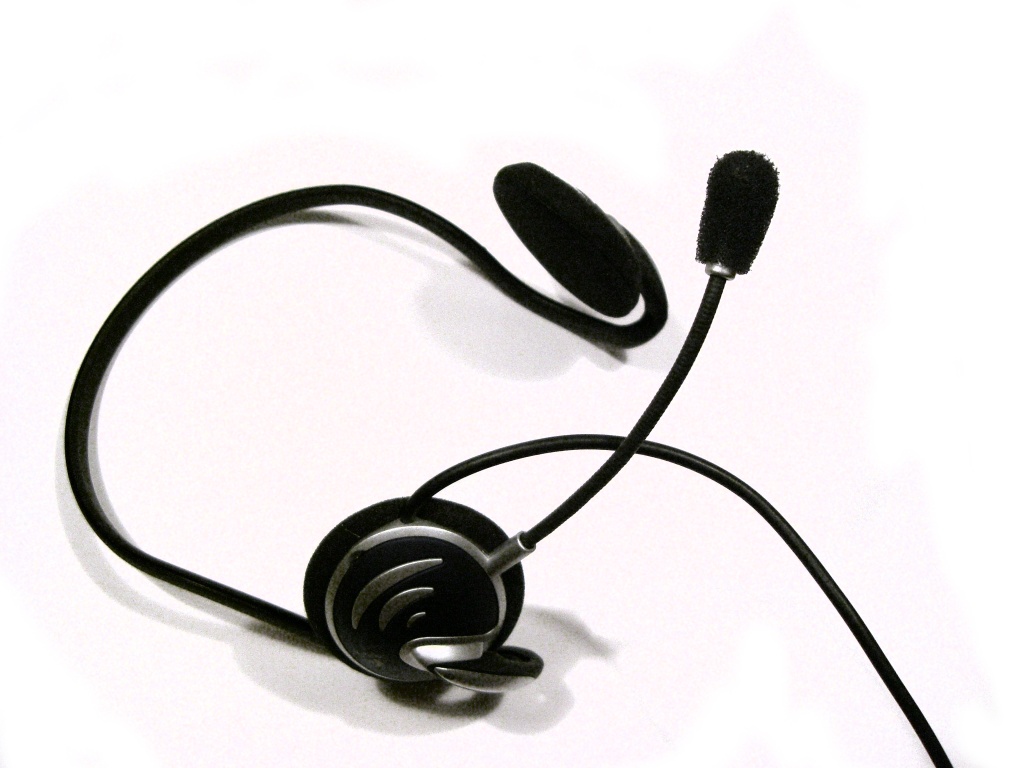

Analog audio connections
Analog headsets use a connector that carries a continuous audio waveform. The host device, such as a computer or phone, converts digital audio to an analog signal using its own sound chip. This approach is simple and works with nearly any device that has a headphone jack.
The audio quality depends on the quality of the host's sound hardware. A low-end codec can add noise or limit dynamic range. Analog cables can pick up electromagnetic interference, especially when they run longer distances.
Analog connections usually carry stereo audio and, with a combined plug, a microphone signal. Many desktops have separate headphone and microphone jacks, so an adapter may be required. There is no digital processing in the headset, so features like surround sound must be implemented by the host software.
USB connections
USB headsets contain a digital-to-analog converter and often a headphone amplifier. They receive digital audio over the USB bus and convert it internally, which can produce more consistent sound across different computers.
USB also supplies power, enabling features like active noise cancellation. The USB4 specification from USB-IF explains that USB4 provides the highest USB bandwidth available and allows multiple data and display protocols to share the link, though even older USB standards provide far more bandwidth than audio needs.
USB headsets are generally plug-and-play using the standard USB audio class. Some models require proprietary software for equalization or virtual surround. They do not work with devices that lack USB audio support, such as some phones.
Bluetooth connections
Bluetooth headsets use over-the-air radio in the 2.4 GHz band. According to the Bluetooth SIG's technology overview, the technology offers two radio options: Classic and LE. The Classic radio streams data over 79 channels and is often used for wireless audio.
The Bluetooth SIG's LE Audio page states that LE Audio introduces a new high-quality, low-power codec called LC3, which provides high quality even at low data rates, and supports multi-stream audio for better stereo synchronization. LE Audio also adds support for broadcast audio like Auracast.
LE Audio adds support for hearing aids. The WHO's hearing loss fact sheet notes that over 5% of the world's population requires rehabilitation for disabling hearing loss, making wireless audio accessibility important.
Choosing a connection
The right choice depends on priorities. Analog is the most universally compatible but offers no built-in processing. USB provides a dedicated DAC and power but keeps the user tethered. Bluetooth gives freedom of movement but requires charging.
Latency varies. For gaming, wired connections typically have lower latency than Bluetooth Classic. Low-latency codecs exist, but both source and headset must support them. LE Audio aims to reduce latency with more efficient coding.
Safe listening matters. The CCOHS noise fact sheet explains that permanent hearing loss from noise is cumulative and cannot be cured. Users should monitor volume, especially during long sessions, and consider headsets with volume limits. Many models from office to gaming can be compared on a headset reference.
| Connection | Audio signal | Power | Typical latency | Common use |
|---|---|---|---|---|
| Analog | Analog waveform | From host | Very low | Music, office, budget headsets |
| USB | Digital | From host via USB | Low | Gaming, video calls, ANC headphones |
| Bluetooth Classic | Wireless digital | Battery | Moderate | Music, phone calls, consumer headsets |
| Bluetooth LE Audio | Wireless digital | Battery | Potentially lower | Newer devices, hearing aids, broadcast audio |
Frequently asked questions
Can analog headsets work with laptops that lack a headphone jack?
A USB adapter can provide an analog output, but the headset itself remains analog. The adapter converts digital USB audio to an analog signal.
Do USB headsets require special drivers?
Most use the standard USB audio class, which is supported by operating systems. Some advanced features may need proprietary software from the manufacturer.
What is the difference between Bluetooth Classic and LE?
Classic is the traditional radio for audio, using more channels. LE is designed for low power and now supports audio through the LE Audio specification.
Is Bluetooth audio quality as good as wired?
With LE Audio and the LC3 codec, quality can approach wired. However, both the source device and the headset must support the same codec for optimal performance.